The NGO SAPI began working in the Democratic Republic of Congo in 2017, as part of an emergency humanitarian response to the consequences of inter-communal violence and population movements in the Kasai region. With UNICEF funding, SAPI set up a first series of interventions to protect children affected by conflict, ensure their psychosocial well-being and meet their basic needs.
Since this first mission, SAPI Switzerland has stood alongside vulnerable communities to provide quality multi-sector assistance focused on children’s rights, mental health, protection and the family reunification of unaccompanied or separated children in the hardest-hit areas. The experience gained in Kasai laid the foundation for structured work based on international standards for child protection in emergencies, in close collaboration with local actors, families and community protection structures.
During the humanitarian crisis that followed the mass expulsion of thousands of Congolese living in Angola back to the DRC in 2018-2019, SAPI Switzerland, with UNICEF support, ran an emergency assistance programme to protect and support unaccompanied, separated, vulnerable and traumatised children. Run in the Kamonia (Kasai) and Luiza (Kasai-Central) health zones, the programme lasted six months (1 December 2018 to 1 May 2019) and had two main strands: psychosocial support and family reunification (IDTR).
Faced with the trauma children had suffered during their expulsion (physical violence, separation, abuse, injuries and more), SAPI set up 12 mobile Child-Friendly Spaces run by 36 trained social workers. These spaces welcomed more than 11,449 children (5,019 girls and 8,012 boys), including 3,501 expelled from Angola, offering them:
This set-up strengthened the children’s mental and emotional resilience while giving them a protective and caring environment in very vulnerable border areas.
SAPI identified 753 unaccompanied children, 450 of whom were confirmed as such after a rigorous verification process and received temporary care in 150 temporary or spontaneous foster families. The children received:
To ensure lasting reintegration, SAPI followed up 173 children after reunification in the two target areas. This revealed the real needs of reunified children: getting back to school, a lack of income-generating activities for families, and greater vulnerability to drugs and wandering among some teenagers. At the same time, 150 foster families received cash support (a food ration worth USD 5) and essential kits (clothes, utensils and more), strengthening their ability to provide a protective environment for the children in their care.
SAPI Switzerland’s work provided an integrated, holistic and child-rights-based response in an acute humanitarian crisis. By combining psychosocial care, family reunification, medical care and community support, the intervention made a significant contribution to child protection, to restoring the mental health of traumatised children and to their social reintegration. The community approach based on the RECOPE child protection networks, foster families and social workers ensured local ownership and continued care beyond the emergency period.
SAPI Switzerland’s experience in the DRC with this pilot project shows its ability to act quickly and effectively for children affected by conflict and forced displacement, in line with humanitarian standards and fundamental rights. In situations of forced displacement, violence and repeated trauma, children lose not only their family and community anchors but also their ability to express themselves, to dream and to imagine a future. Aware of these challenges, SAPI Switzerland has made sport a central tool in its psychosocial support for children and teenagers affected by humanitarian crises in the Democratic Republic of Congo.
Between 2022 and 2024, our work in the DRC supported more than 18,000 vulnerable people in North and South Kivu provinces. In mental health, we provided psychosocial support to 5,500 people, including children and women affected by conflict, building their resilience and well-being. In education in emergencies, 6,800 children gained access to suitable teaching, with a school retention rate of 87%. Our protection work also supported 2,900 at-risk children and young people, including children who had left armed groups, through social and economic reintegration programmes. These results show our commitment to restoring dignity, safety and a future to people affected by crises.
Through its mobile and fixed Child-Friendly Spaces, SAPI runs structured sports activities (football, volleyball, running, group games, gentle gymnastics and more) led by trained psychosocial facilitators. These activities help children to:
These sports sessions are often combined with talking circles, cooperative games and open discussion, led with care by the facilitators. Children thus learn to rebuild a sense of safety, which is essential to their emotional development.
Sport also helps include unaccompanied children, children with disabilities and children from displaced communities. It blurs social differences, gives everyone a place and strengthens community cohesion in settings often fractured by conflict.
At several border sites in Kasai and Kasai-Central, SAPI distributed sports kits (balls, whistles, bibs, nets, skipping ropes and more) and brought young people together for inter-village tournaments. These events were powerful moments of social mobilisation, shared joy and restored dignity for children who too often face suffering and isolation.
With this approach, SAPI offers more than a distraction: sport becomes a therapeutic tool within comprehensive care that includes individual psychosocial follow-up, medical care, family reunification and return to school. It also plays a crucial role in observing children’s behaviour, helping facilitators identify cases that need particular attention (withdrawal, aggression, anxiety and so on).
As part of its mission to protect children and promote the right to education, SAPI carried out major school support for displaced children in the Democratic Republic of Congo, particularly those affected by armed conflict in Kasai and North Kivu.
In 2024, 1,200 internally displaced children received complete school kits with exercise books, pens, slates, backpacks and other essential supplies for their return to school. This initiative not only made it easier for them to rejoin the education system, but also gave hope back to children hit hard by violence, displacement and the loss of everything familiar.
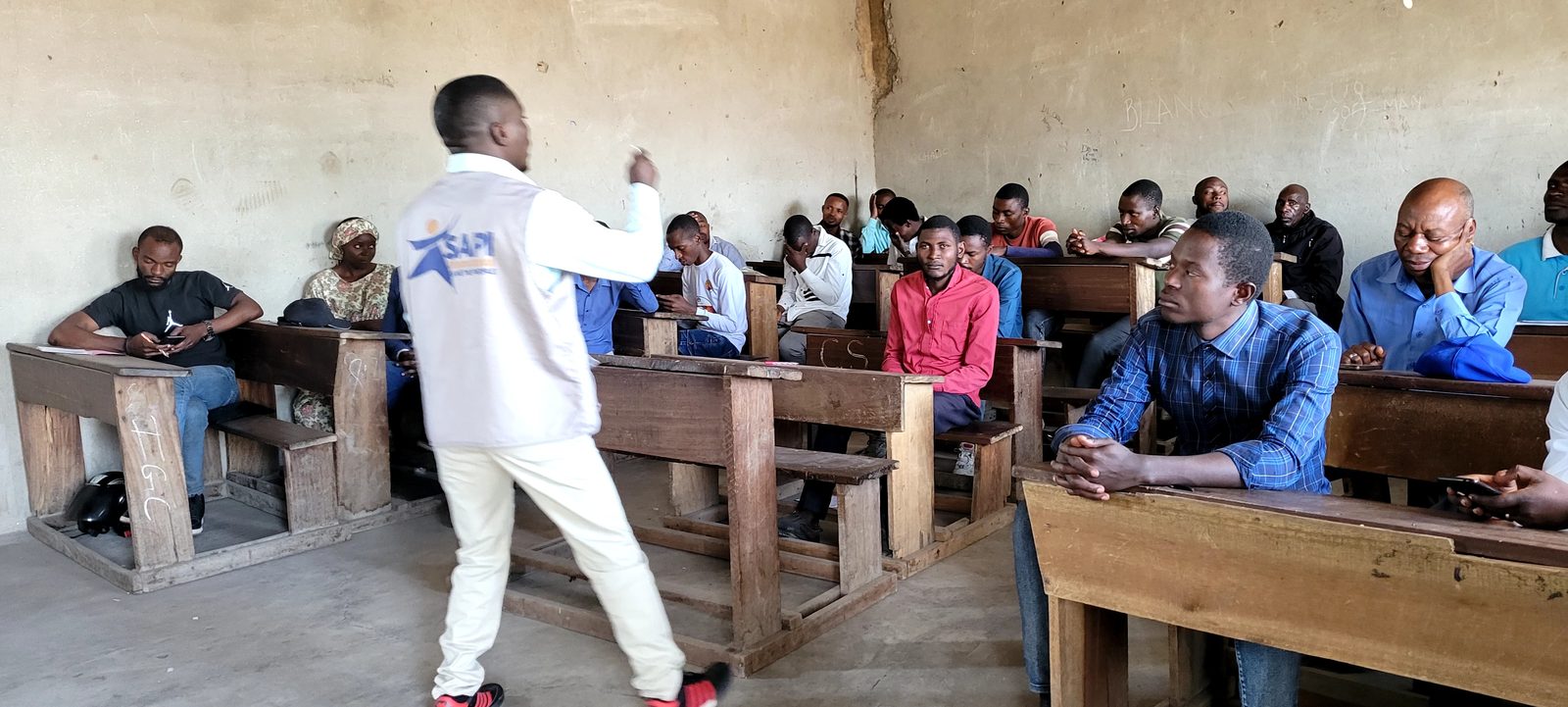
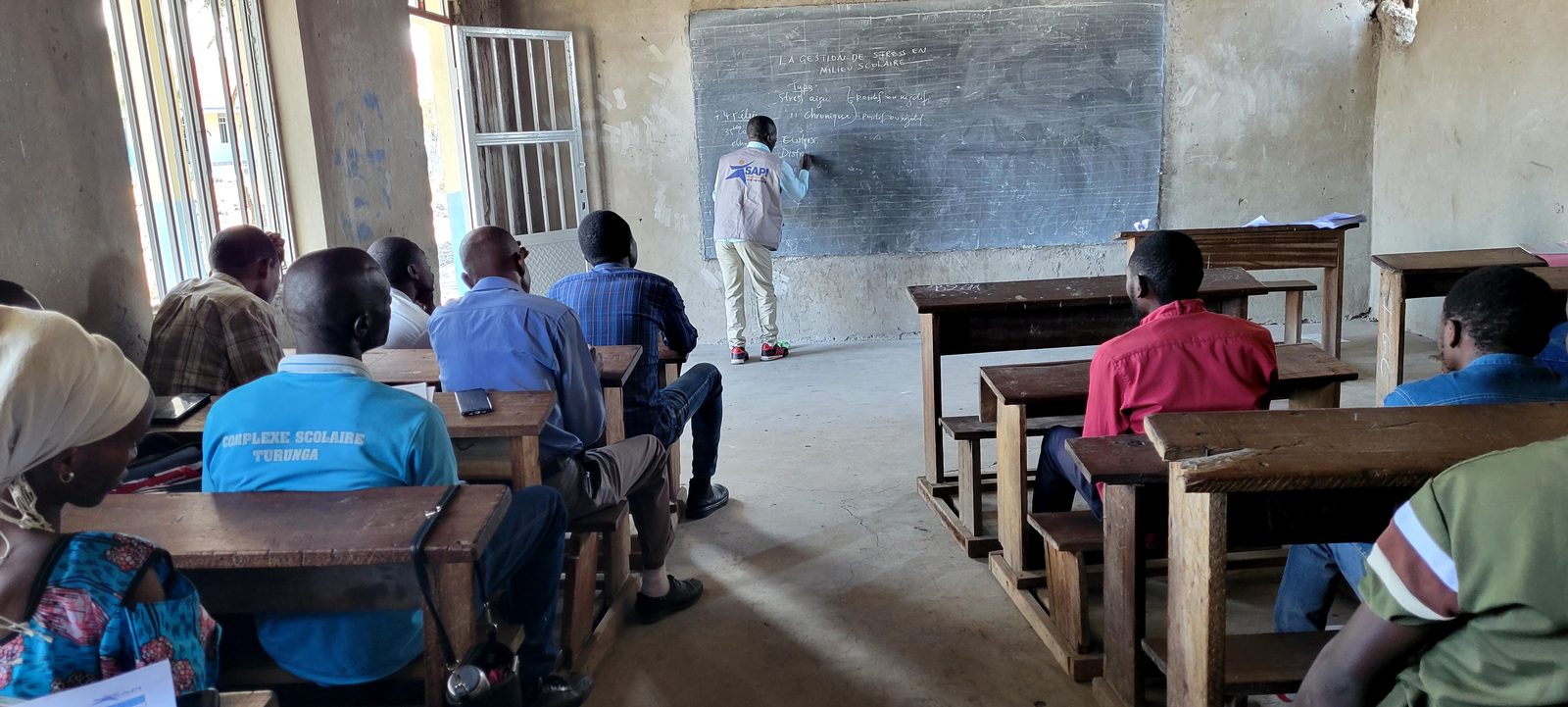
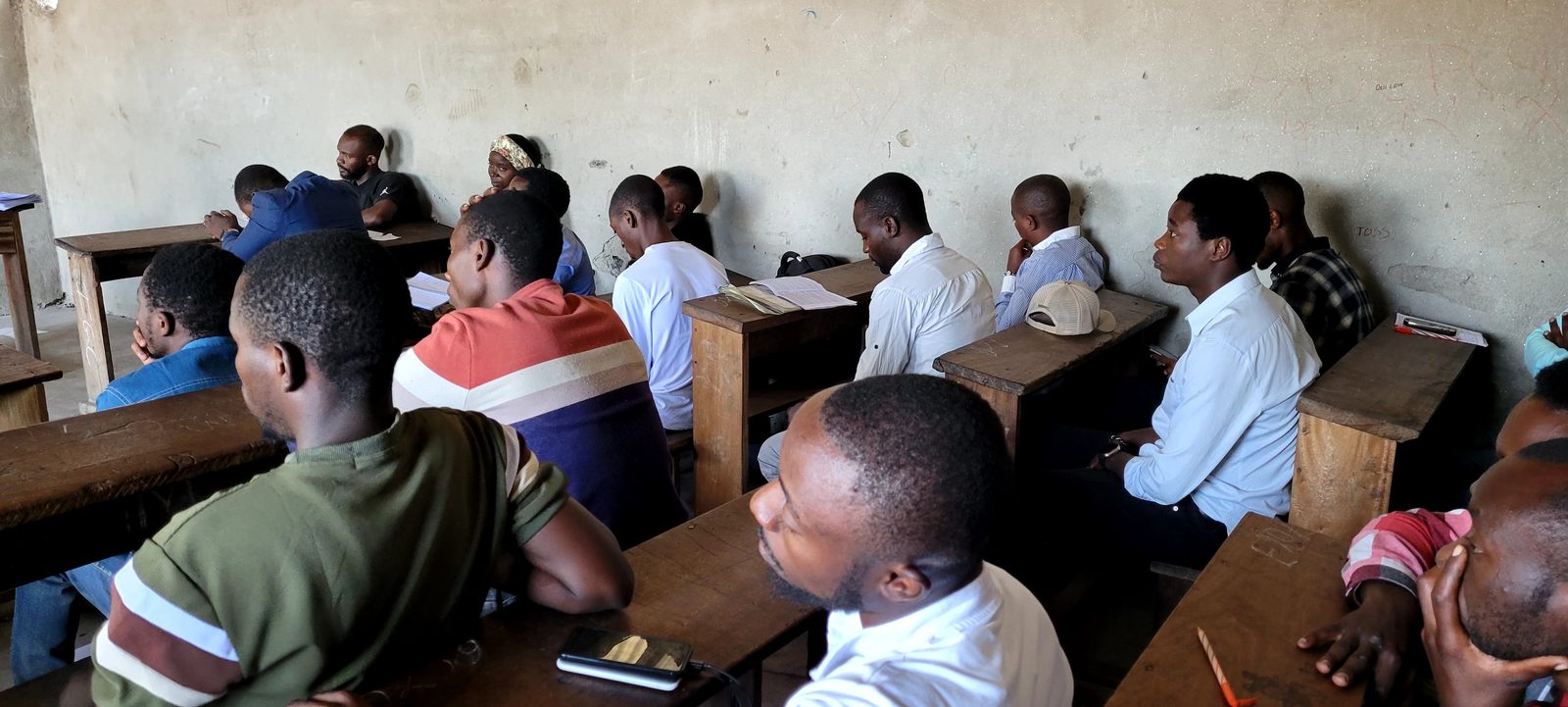
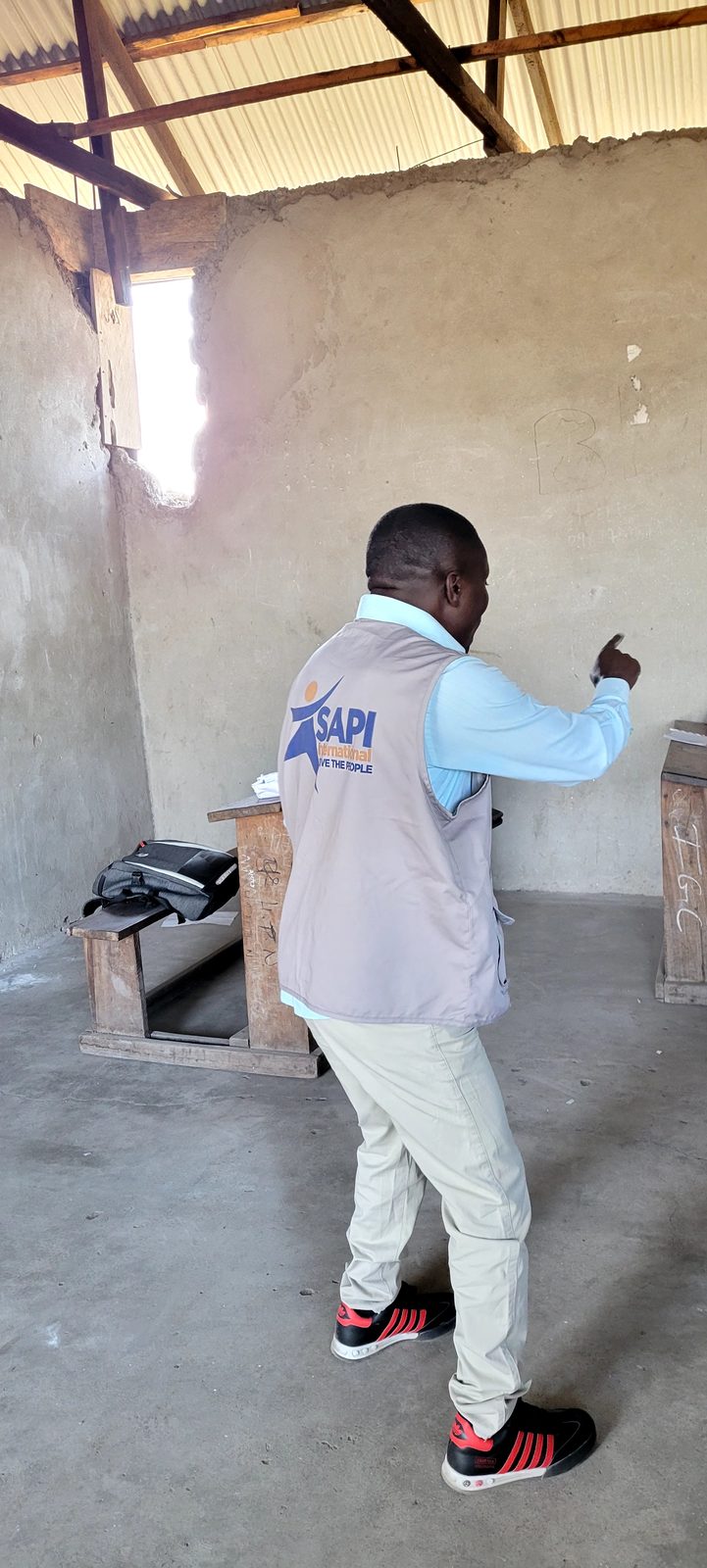
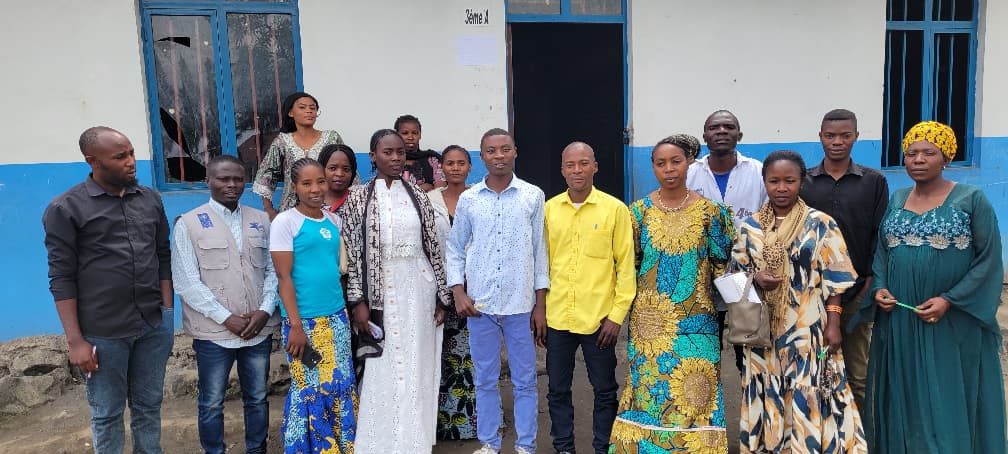
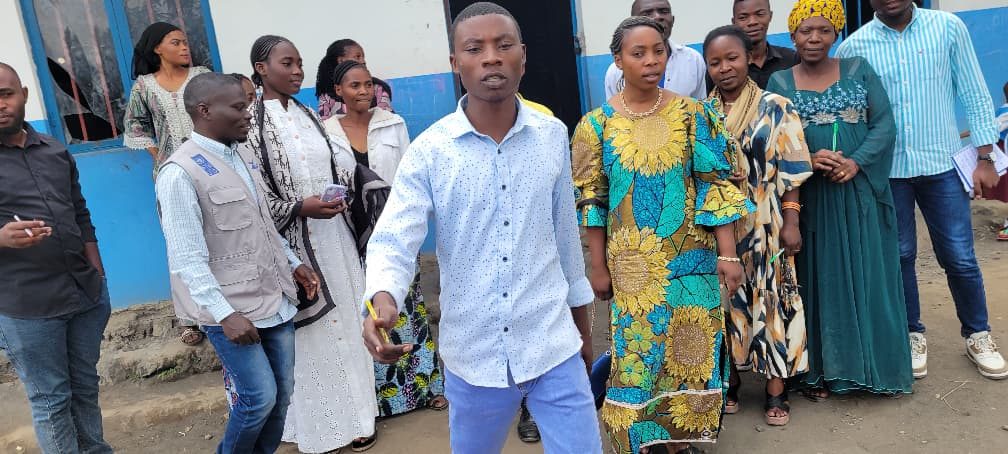
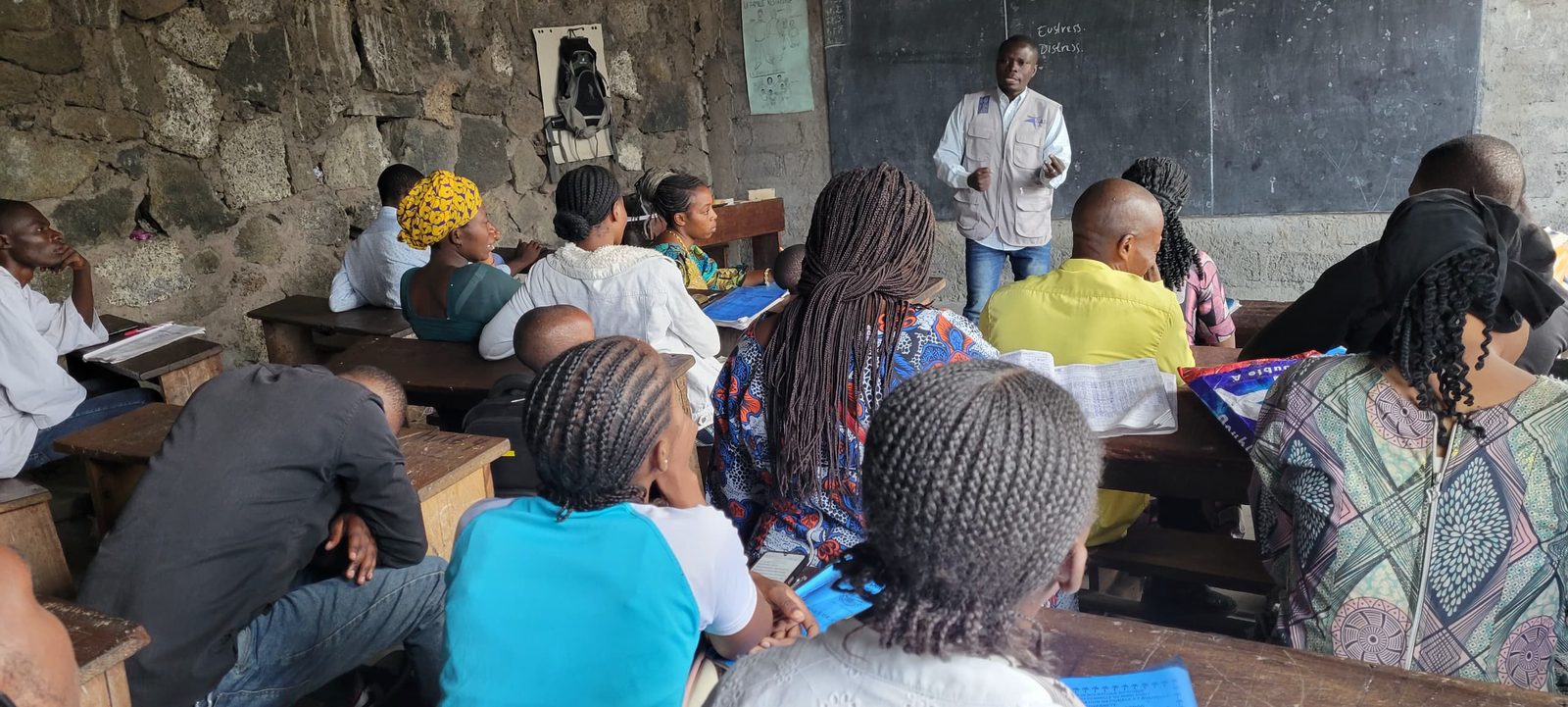
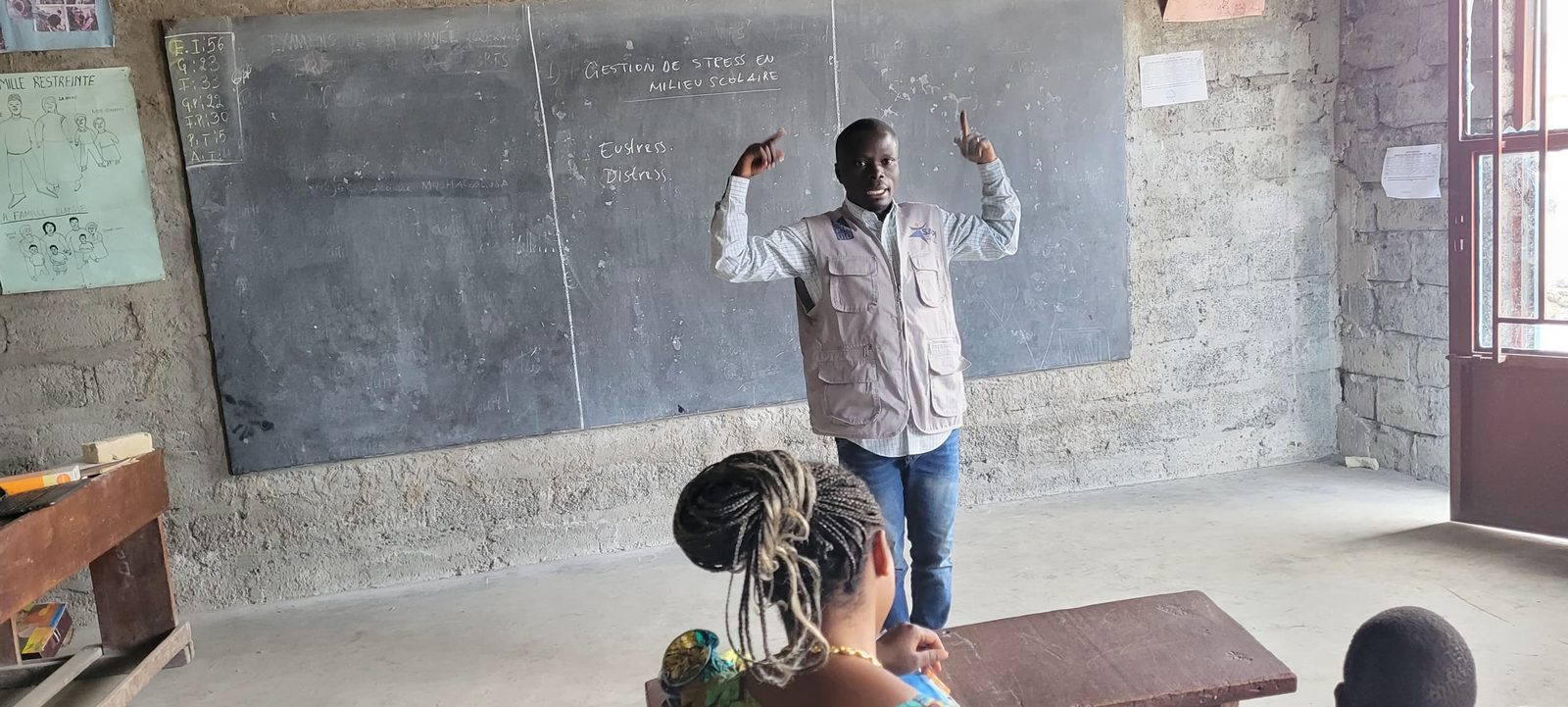
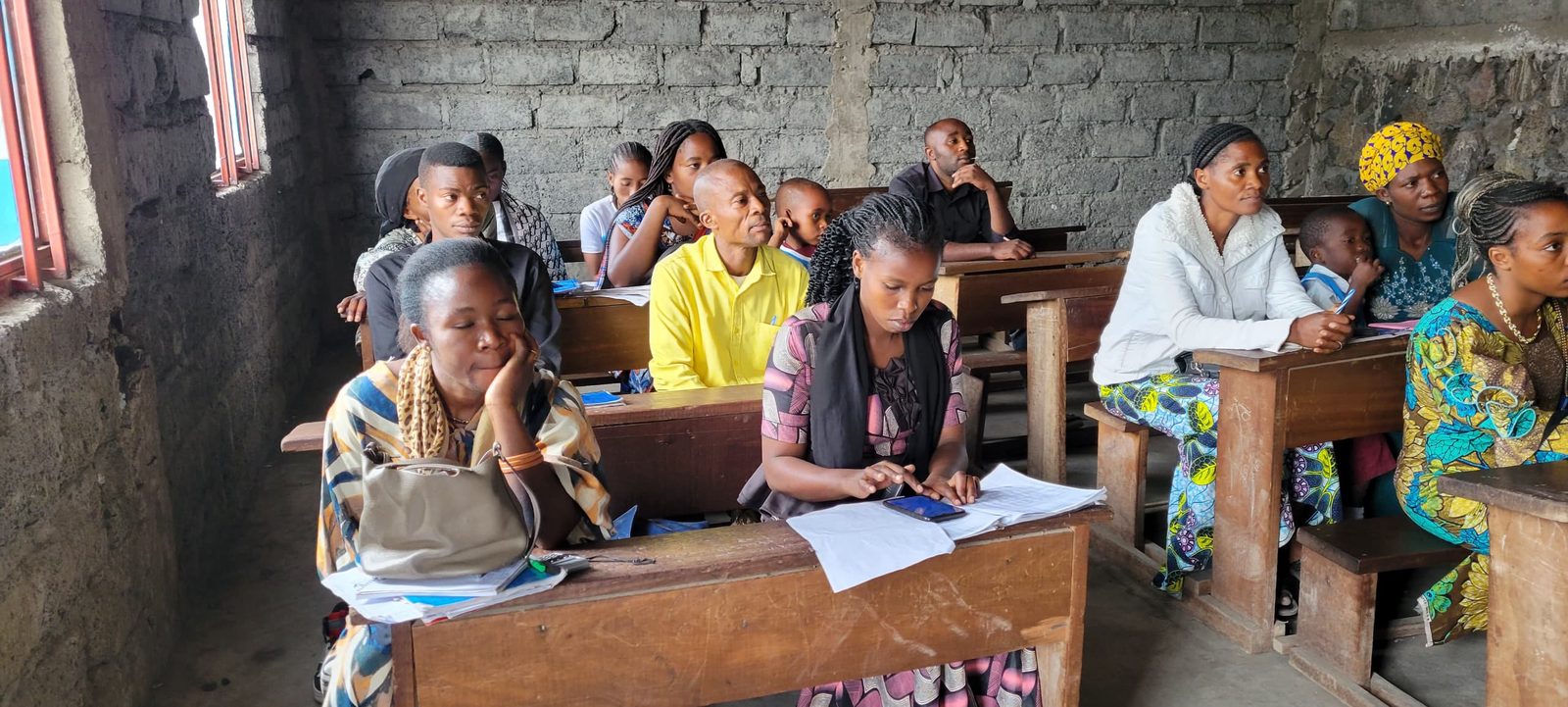
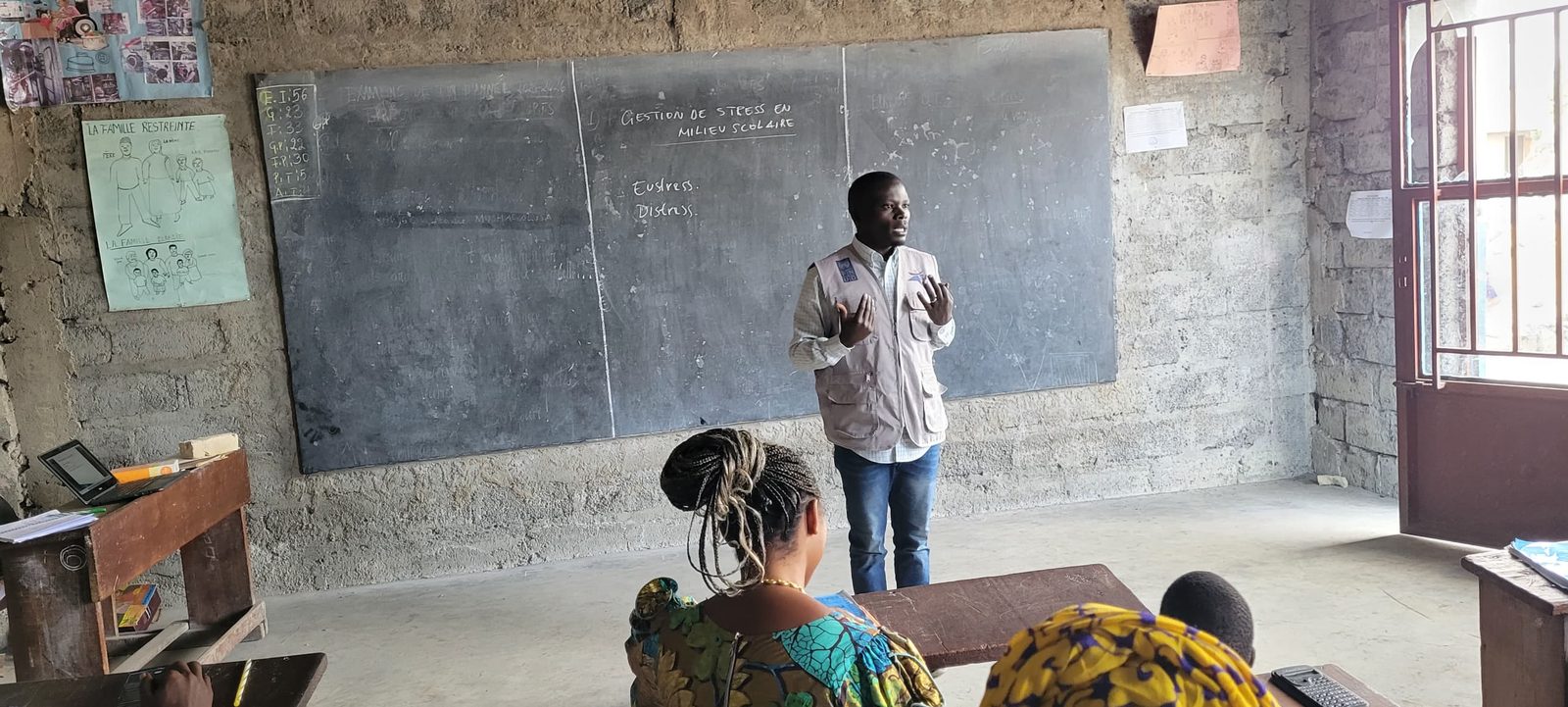
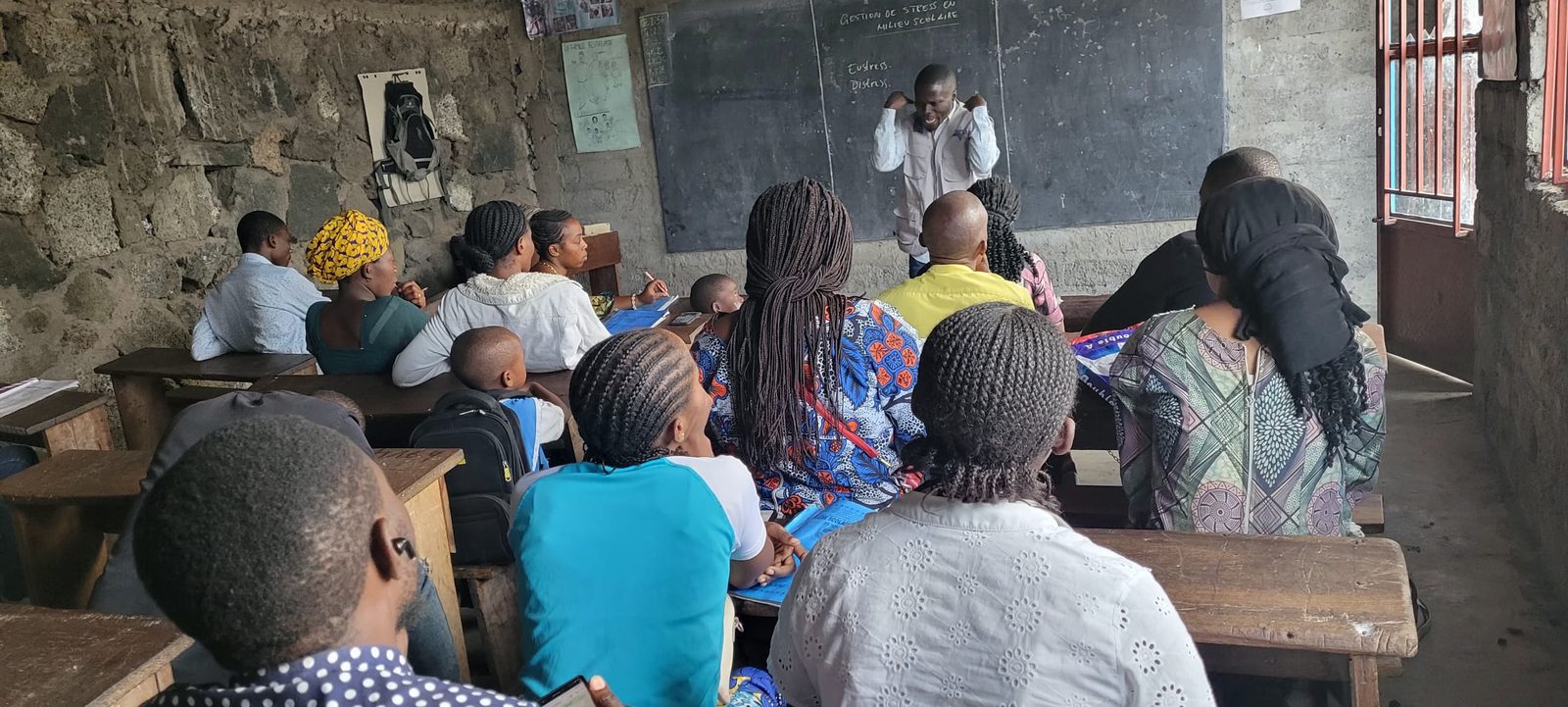
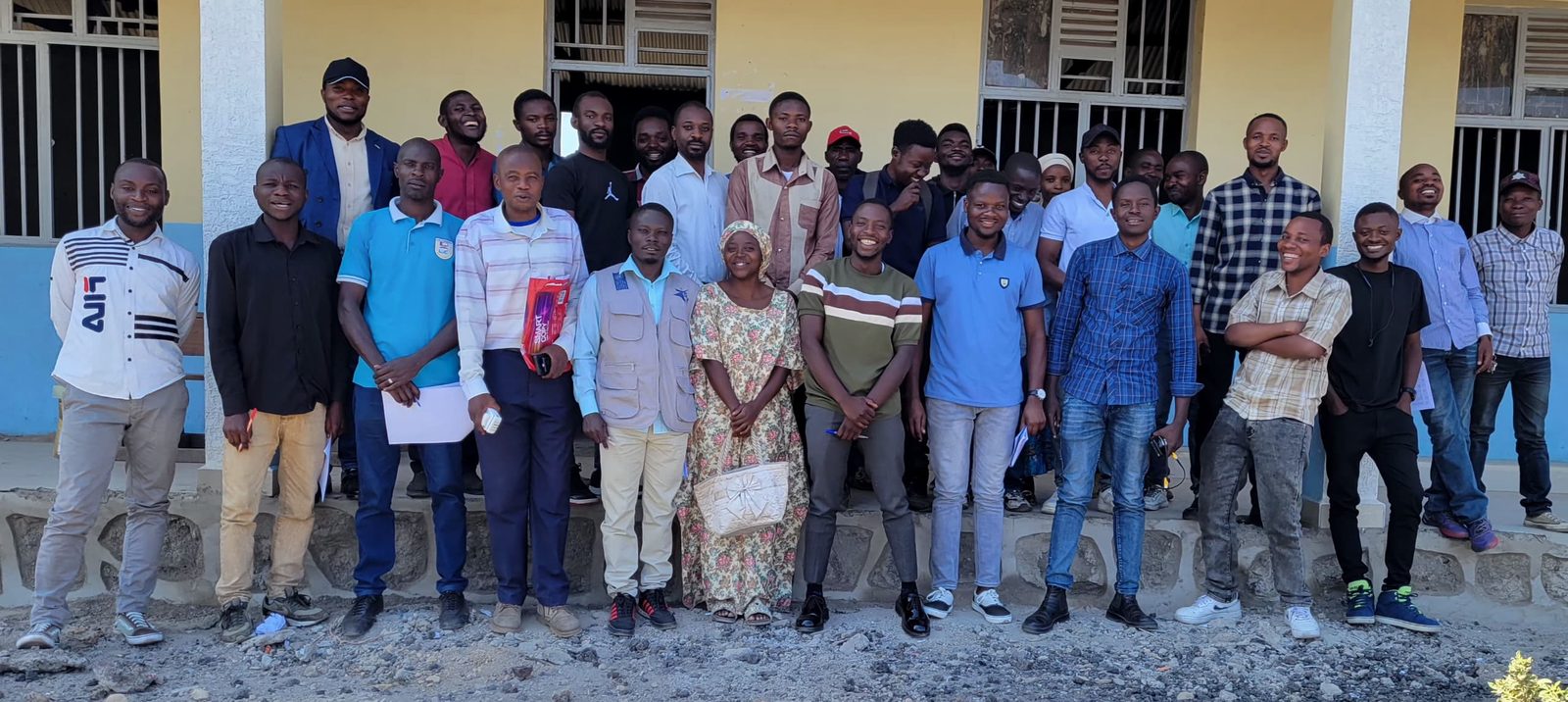
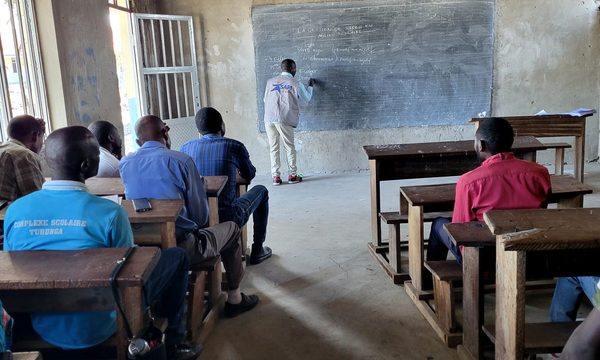
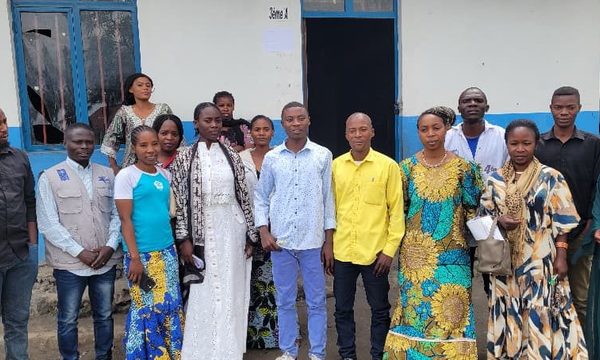
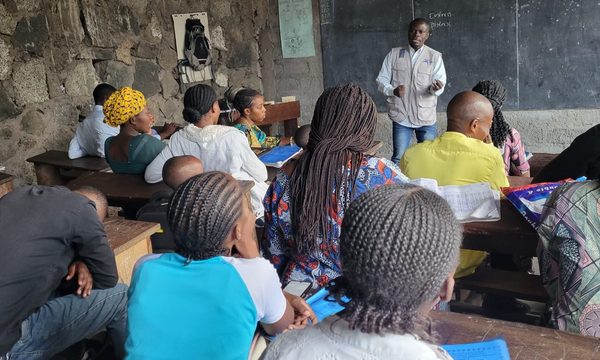
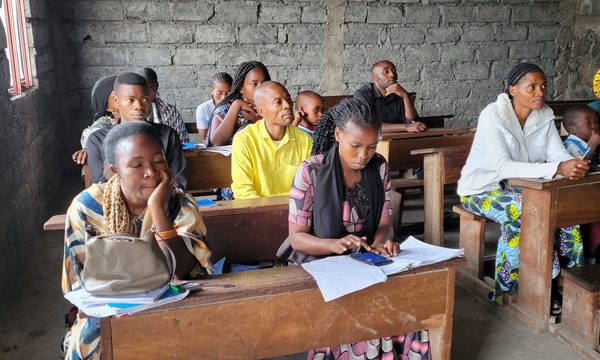
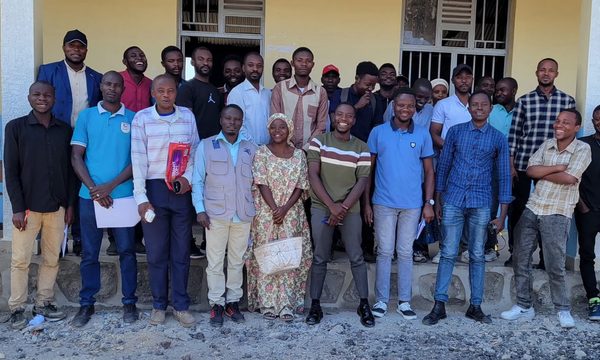
Awareness and training sessions run by SAPI in schools and communities in eastern DRC, June 2026.
Registration number (UID): CHE.134.157.315
© Copyright 2026 | SAPI Switzerland | All rights reserved.
Powered by BounceZero LTD